on
game guide
- Get link
- X
- Other Apps
Released in the 2000s, The Sims has become the gold standard for life simulation games, defining the very essence of the genre.
With its unique blend of open-ended gameplay, character-driven interactions, and player creativity, it revolutionized the industry and inspired countless other titles.
The Sims introduced a remarkably open-ended type of gameplay, allowing players to create and control the lives of virtual characters, or "Sims," in ways that reflect real-life decisions.
Unlike traditional games with fixed objectives or storylines, The Sims empowered players to define their own goals, such as building homes, forming relationships, or achieving career success.

The systems within The Sims have become hallmarks of the life simulation genre, characterized by freedom and sandbox-style gameplay.
This paved the way for other life simulation titles like Animal Crossing and Stardew Valley.
By giving players control over the minutiae of virtual life, The Sims showcased the potential for immersive and personalized experiences within the genre.
One of the core systems of The Sims is its focus on character development and social interaction.
Each Sim possesses unique personalities and moods, requiring players to manage their emotional well-being alongside their physical health.
Social interactions between Sims, ranging from friendships to romantic relationships, are central to the gameplay and are directly influenced by the player’s choices.

This character-centric approach influenced many subsequent life simulation games, encouraging developers to create more diverse content.
Games like My Time at Portia and the later installments of The Sims expanded on the idea of character relationships, introducing more complex emotional systems and interactions.
By simulating the emotional lives of characters, The Sims highlighted the importance of interpersonal relationships in virtual worlds, helping to establish social simulation as a vital component of the genre.
Another major impact of The Sims is its customization system, which allows players to personalize nearly every aspect of the game—from a character's appearance and traits to the layout and decor of their home.
The extensive building tools and furniture options provided unprecedented creative freedom, making the game as much about artistic expression as it was about managing virtual lives.
This focus on customization became a cornerstone of the life simulation genre, inspiring other games to prioritize player creativity.
Titles like Animal Crossing: New Horizons and House Flipper followed in the footsteps of The Sims, offering features that allow for detailed environmental design and personalization.
Furthermore, it fostered a modding community where players could create and share custom content, further expanding the game's creative possibilities.
This system for player-driven content became a core element of life simulation games, laying the foundation for active player engagement.
The Sims significantly influenced game design; while gaming was traditionally viewed as a male-dominated hobby, The Sims gained popularity across various age groups and among women, resulting in a notably high female player base compared to other genres.
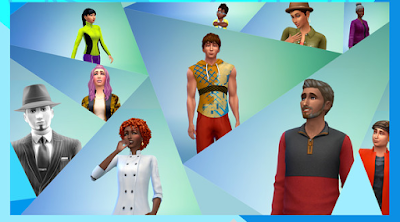
The game’s accessible mechanics, stress-free environment, and focus on creativity and social interaction made it a welcoming entry point for newcomers to gaming.
This appeal helped form the foundation for the growth of casual gaming and life simulations that focus on creativity and relaxation rather than competition.
Games like Stardew Valley also offer experiences focused on personal goals and exploration rather than high-stakes challenges, and the success of The Sims proved the market potential for games targeting a broader audience.
In this way, The Sims created the life simulation genre through its unparalleled freedom and character-driven gameplay, influencing other genres like open-world and survival games, and ultimately enriching the diversity of games available to players.